If Your Joints Feel Stiff, Weak, or Unstable… You May Be Closer to Permanent Damage Than You Think
It’s not just wear and tear. There’s a hidden process accelerating joint breakdown — ignored by most people until pain becomes constant and movement feels risky.
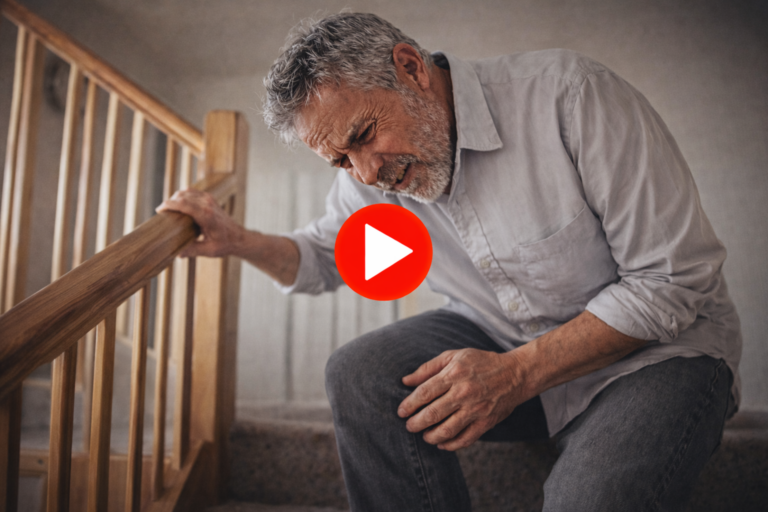
Does any of this sound familiar?
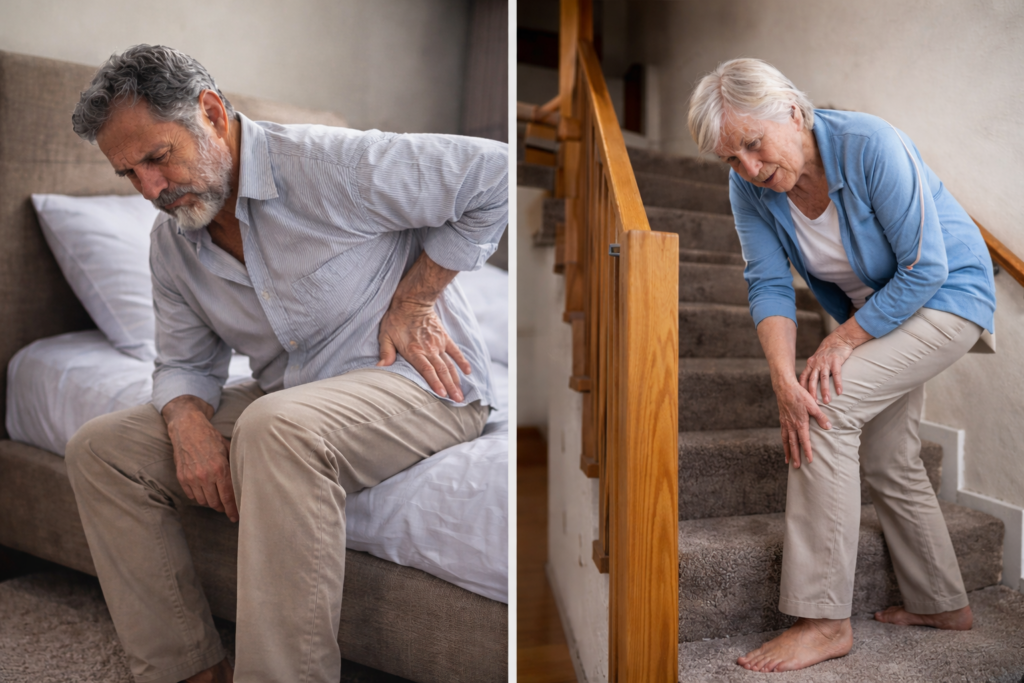
- Morning stiffness that takes longer to fade
- Cracking or grinding sensations when you move
- Pain that comes and goes — but always returns stronger
- Avoiding movement because you’re afraid of making it worse
- You’re not alone. But most people are treating the wrong problem.
The biggest mistake people make when treating joint pain And arthritis
- Most treatments are designed to silence pain, not stop what’s causing it.
- Pills.
- Creams.
- Injections.
They may dull the pain for a while…
but the internal breakdown continues — silently
When the pain fades, the damage doesn’t.
If you’re dealing with joint pain and arthritis that keeps coming back —
even after trying pills, creams, or rest —
this video may explain why nothing has worked so far.
It isn’t about quick relief.
It’s about the mistake most people make when trying to treat joint pain.
Watch this short video until the end. —
You'll see that this applies to you.
Why Most Joint Pain Treatments Stop Working Over Time
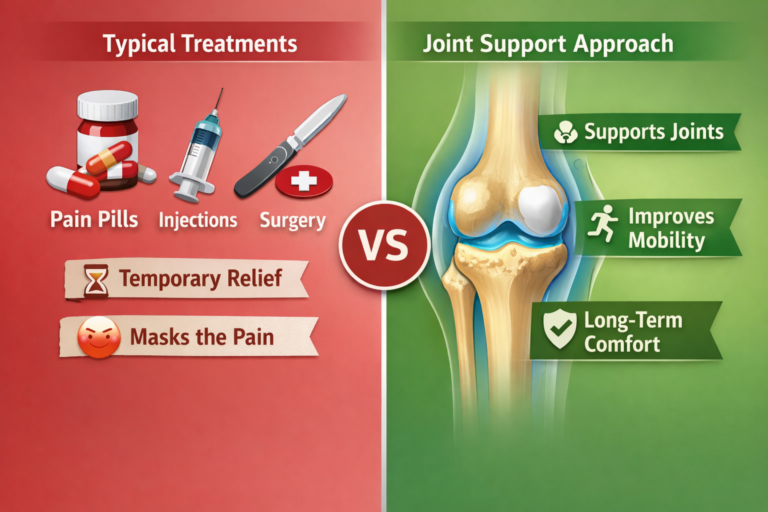
If you’re dealing with knee arthritis, stiff joints or constant pain, chances are you’ve already looked into treatments like medications, cortisone shots, gel injections or even surgery.
The problem is that most of these treatments are designed to mask pain temporarily, not support the joint itself — which is why pain often returns, worsens, or spreads to other joints.
That’s why a different type of joint treatment is gaining attention — one that focuses on supporting joint structure, mobility and long-term comfort, instead of chasing short-term relief.
A 165-page medical report revealed why most joint pain treatments keep failing

A long-term medical analysis conducted by researchers at Harvard Medical School uncovered a critical flaw in how joint pain is treated.
The report showed that pain is rarely the root problem.
It’s usually the final symptom, appearing only after internal joint lubrication has already collapsed.
Once that happens, cartilage begins to break down — and the immune system often makes it worse by attacking the exposed tissue.
This explains why pills, injections, and even surgery frequently fail.
A separate clinical case study documented by the Mayo Clinic observed that restoring joint lubrication could increase synovial fluid levels by up to 93%.
And when surgeons reviewed outcomes from over 2,300 patients, published in the Johns Hopkins Medical Journal, most saw little to no lasting improvement after invasive procedures.
The video below explains what this research uncovered — and why treating pain alone never stops the damage.
Real Stories from People Who Found Relief

Mark R., 52
Ohio
“I used to wake up stiff every single morning.” “Getting out of bed felt like my joints were locked. Stairs were painful, and I avoided long walks. After following what I learned in this video, I feel looser, lighter, and more confident moving again.” — Mark R., 52 – Ohio

Susan L., 61
Arizona
“Painkillers didn’t fix the problem. They just masked it.” “I tried creams, pills, and even physical therapy. Nothing lasted. What surprised me was learning what was actually causing the pain inside my joints. That changed everything.” — Susan L., 61 – Arizona

David M., 58
Florida
“I was afraid this would only get worse with time.” “I worried about losing my independence. After watching this presentation, I finally understood why my joints kept getting worse — and what to do about it.” — David M., 58 – Florida
Frequently Asked Questions
Everything you need to know about this natural approach to joint comfort
Is joint pain just a normal part of aging?
Joint discomfort often follows a gradual internal process. What starts as stiffness or occasional pain can worsen when joint structures lose proper lubrication and protection, especially with age, repetitive movement, or inflammation.
Is joint pain just a normal part of aging?
Many people believe that joint pain is unavoidable after 40, but aging alone isn’t the full explanation. How joints are supported, protected, and maintained over time plays a major role in how comfortable movement remains.
Does avoiding movement help protect painful joints?
Avoiding movement may feel safer in the short term, but long periods of inactivity can actually increase stiffness and discomfort. Healthy joints depend on gentle, consistent movement to maintain flexibility and lubrication.
Why does joint pain come and go instead of staying constant?
Joint discomfort often fluctuates because inflammation, stress, activity level, and joint fluid balance change throughout the day. This cycle can create the illusion that the problem is “gone,” when it may still be progressing internally.
Is it too late to do something if joint pain has lasted for years?
Many people think long-term joint pain means permanent damage, but understanding what drives the discomfort is often the first step toward better joint support — regardless of how long symptoms have been present.
What happens next is your choice
You can keep managing pain the same way —
or understand what’s driving it before it gets worse.
The video explains it clearly, without medical jargon.